
The Bodhee Blog.
Perspectives, playbooks, and deep dives on dynamic scheduling for process manufacturing.
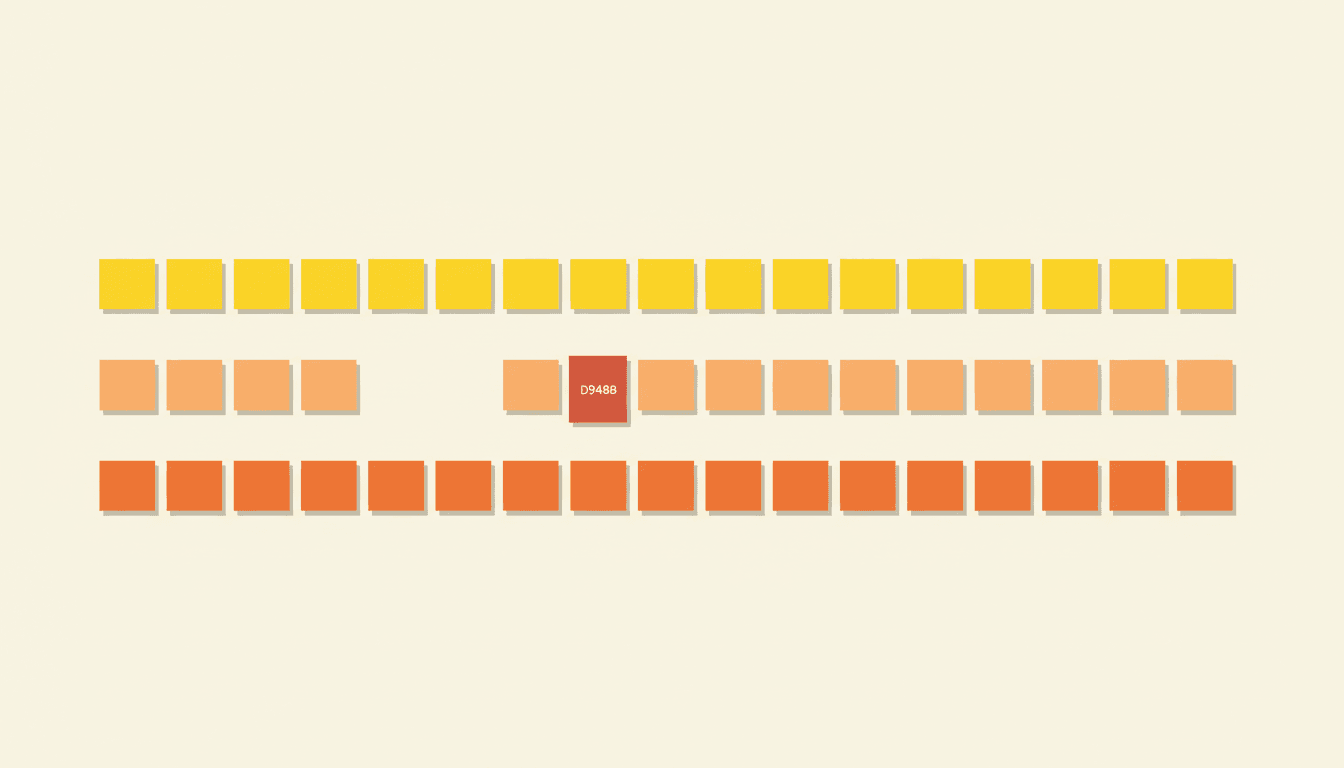
The silo tax — a manufacturing-economics argument for cross-functional scheduling
Production plans the line. QC plans the lab. Maintenance plans the equipment. Each plan is rational. The collision between them costs capacity that nobody invoices, nobody books, and nobody owns. That cost has a name.
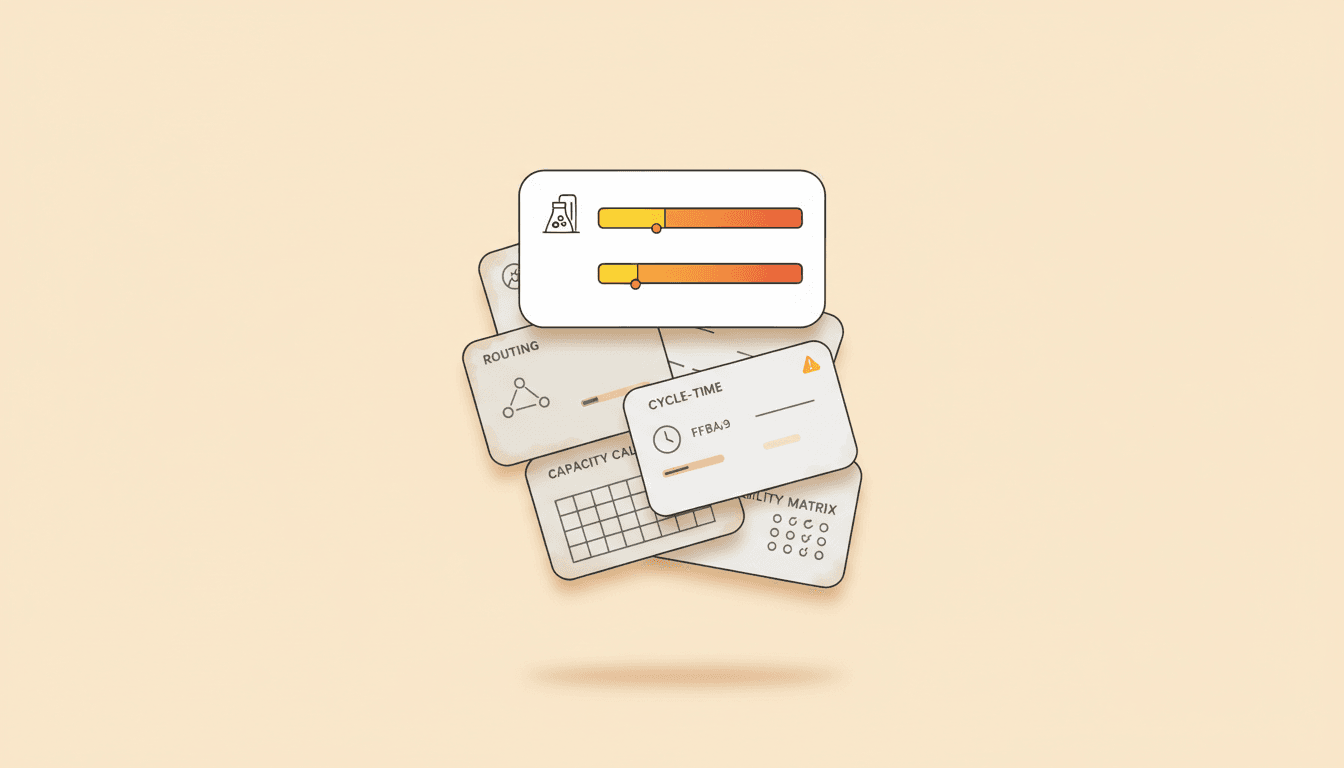
Master data drift — the quiet killer of every scheduling rollout
The day you go live is the day your scheduling model starts decaying. Routings move, BOMs change, equipment swaps in. Nobody tells the planner. Six months later the schedule looks fine and runs nothing like the plant.
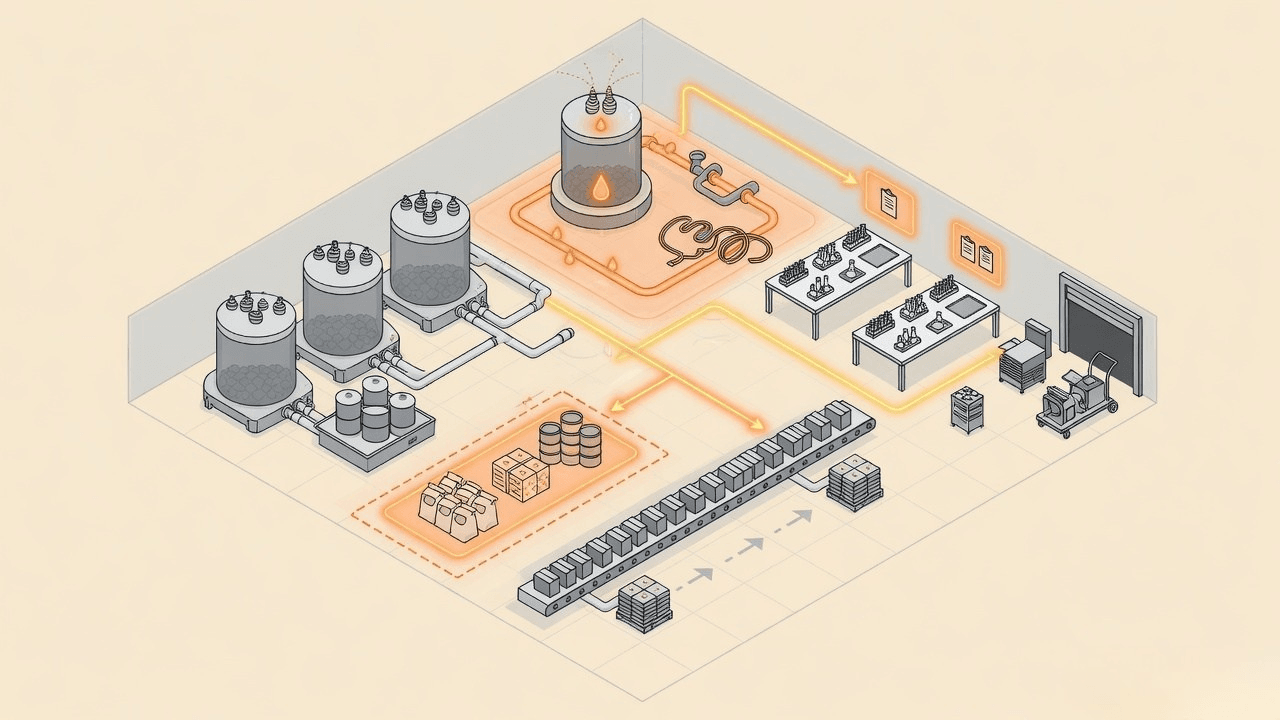
The 30% Problem
Cleaning, changeover, validation, and QC hold consume roughly a third of staffed time. Most schedulers treat them as fixed buffers — or don't model them at all. Here's what it costs.
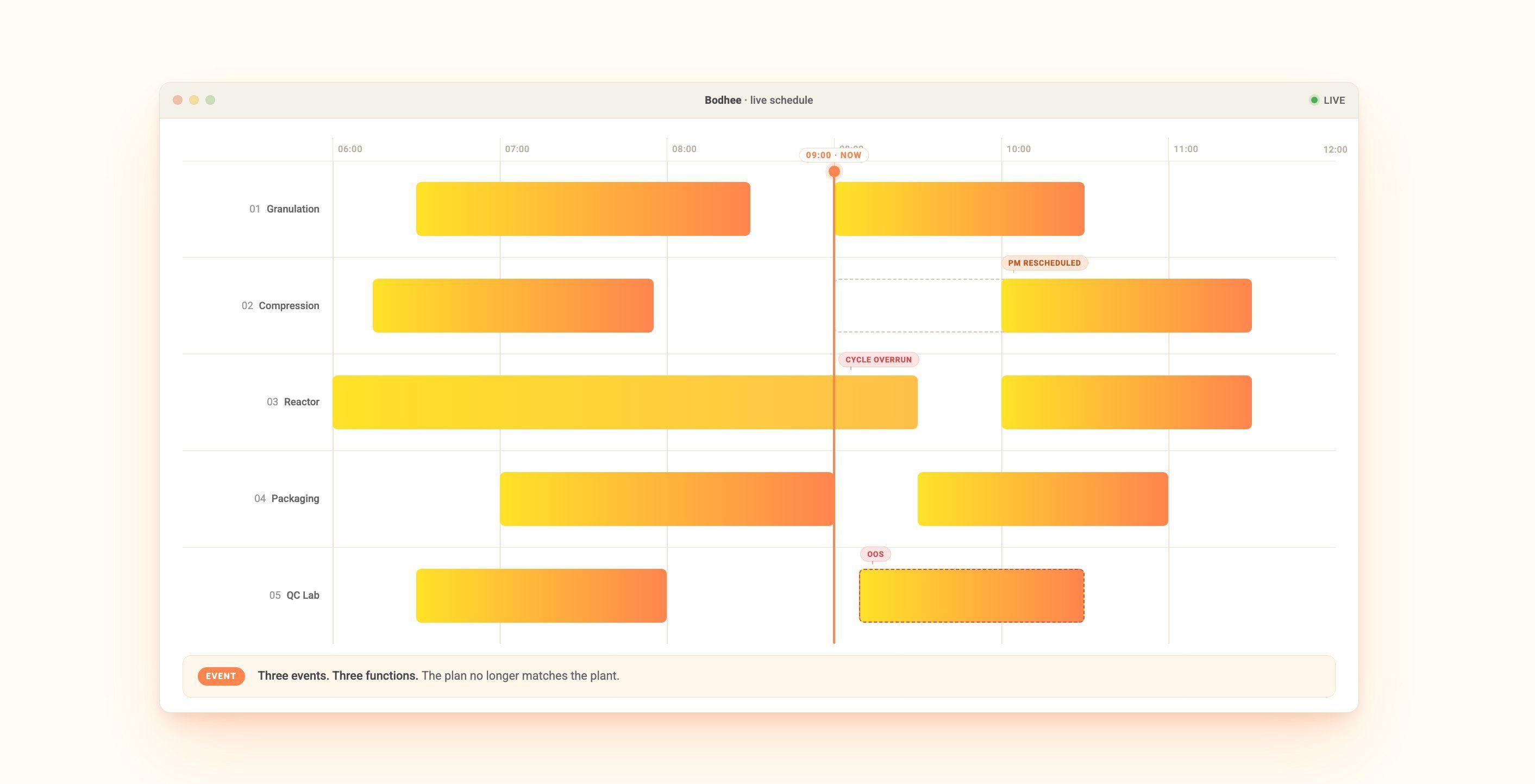
Your schedule is already wrong by 9 a.m.
A static production schedule stops being a plan the moment reality starts moving. Two hours in, you're inside the variance the plan didn't allow for. The fix isn't a faster rebuild — it's a different architecture.
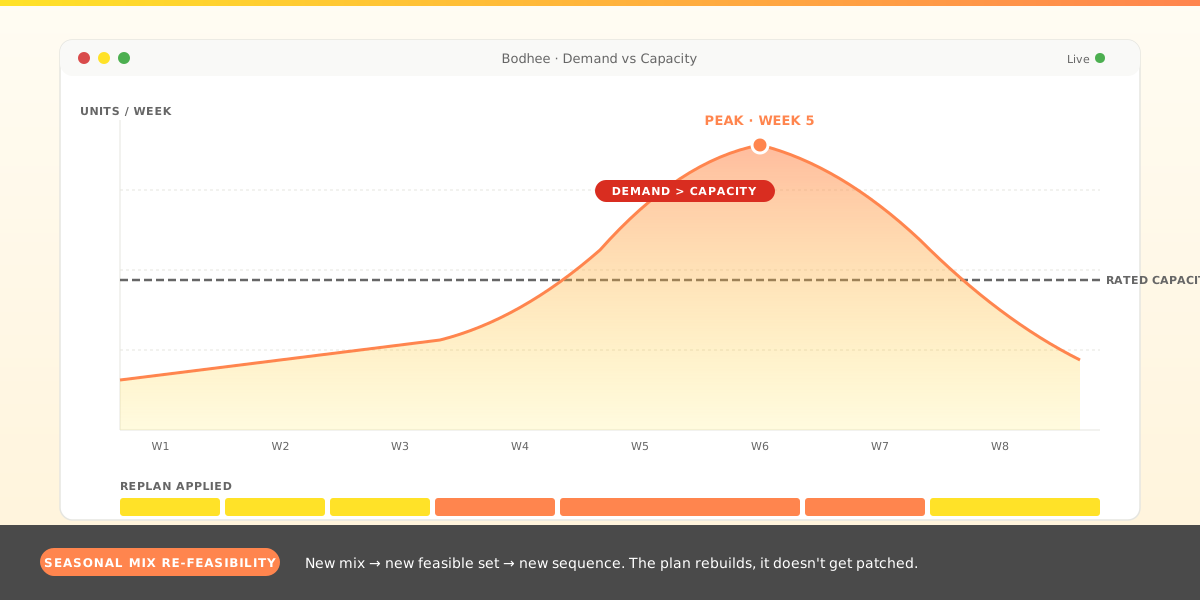
Handling demand spikes: dynamic scheduling for seasonal production swings
Seasonal demand isn't a forecasting problem. It's a feasibility problem. The campaign mix you can run in November is not the campaign mix you can run in March, and the schedule has to know that.